Loading…
←Back to Newsletters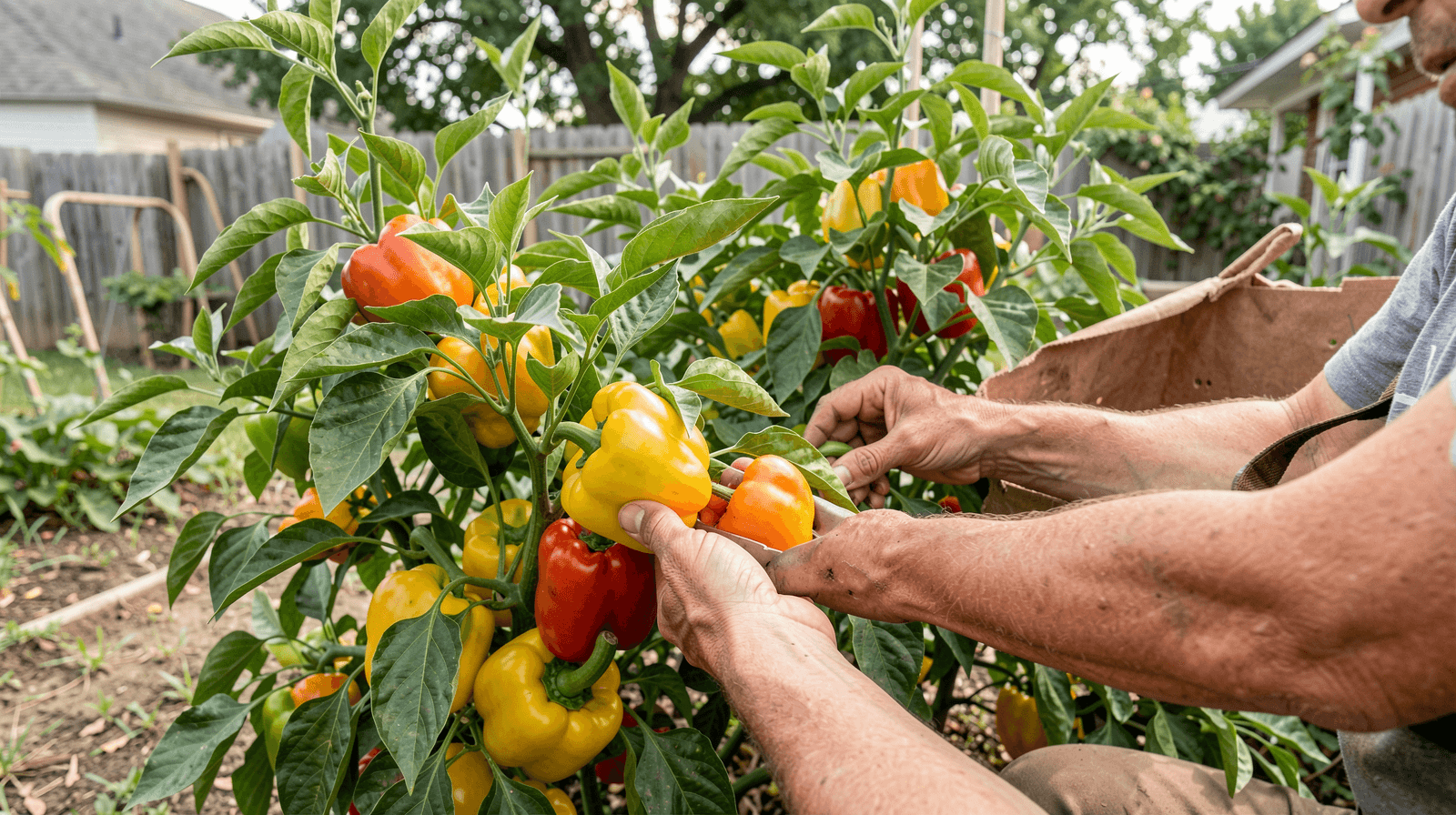
How To Save Bell Pepper Seeds and Keep Your Best Lineage Going
Written by David Rodgers — 2026-10-29
A practical guide to isolating varieties and testing seed viability in the backyard.
The newsletter for gardeners who want to stop guessing and start knowing what actually grows here.
seed-savingpeppersedible-gardenersoklahoma
Why seed saving is more than just gathering pretty pods
When I first started gardening forty years ago, I thought seed saving was as simple as picking a ripe pepper off the vine and tossing it into a jar. It seemed like common sense—if you like the fruit, save the seeds from that fruit. But after decades of trial and error in my Oklahoma backyard, I’ve learned that successful seed saving is actually an exercise in genetic planning. If your goal is to grow the exact same pepper next year—with the same heat, the same crunch, and the same flavor profile—you have to think about what's happening inside the plant's DNA before you ever pick up a pair of shears.
Think of it like breeding a lineage. When you save seeds from a "mutt" crop where different varieties were growing side-by-side, those plants are essentially talking to each other through pollen. If they mix their genetics, your "sweet" pepper might end up with the spicy kick or the weird texture of its neighbor next season. Seed saving isn't just about collecting pods; it’s about protecting the specific traits you love by ensuring that only the intended parentage is being preserved. You want to be a curator of your garden's best performers, not a victim of accidental cross-breeding.
The biggest mistake: Cross-pollination and variety mixing
The most common mistake I see—and one I made myself early on—is assuming that because peppers aren't "wind-pollinated" like corn or wheat, they are completely immune to cross-pollination. While it’s true that bees and other insects do the heavy lifting for pepper pollination, you can still have a major headache if your varieties are crowded together. If a bee visits a flowering Jalapeño and then moves three feet over to a bell pepper flower, those genetics are now mingling in every seed produced by that bell pepper plant.
I once spent an entire season growing what I thought were "pure" peppers for my personal stash. By the time I planted the seeds from last year's harvest, I ended up with a batch of weirdly shaped, inconsistently spicy fruits that looked like nothing I’d grown before. That was my wake-up call: variety mixing is a silent thief. It steals your consistency. If you want to keep your lineage pure, you have to treat the garden layout as a genetic map. You can't just plant everything in one big block and expect them to stay "true" to their original varieties over multiple seasons.
Setting up for success: How to isolate your pepper breeds
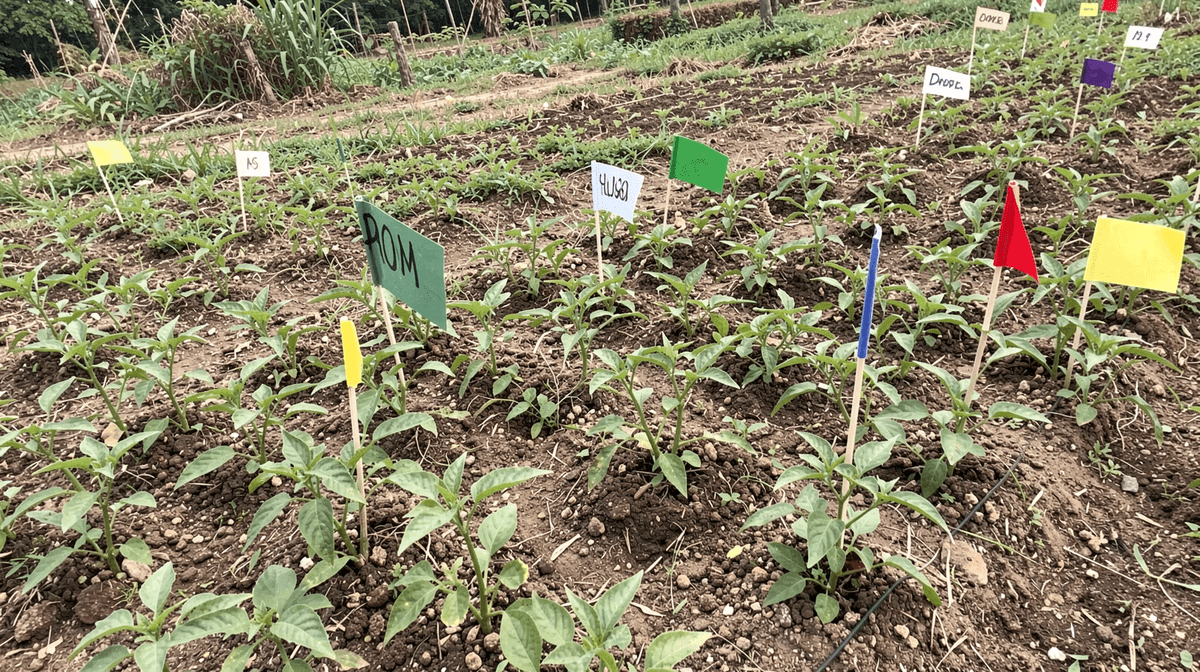
To stop that accidental mixing I mentioned above, you need to put some physical distance between your different types of peppers. In my experience, the easiest way to do this is through intentional spacing and row placement. If you’re growing a "specialty" variety—one you really want to keep for next year—give it its own dedicated space or at least a significant buffer zone from other varieties.
Physical Separation Techniques
- The Buffer Zone: Try to leave at least 6 to 8 feet of space between different pepper varieties. This makes it much less likely that an insect will move directly from one variety's flowers to another in the same afternoon.
- Row Orientation: Plant your rows so they aren't crammed together. If you have a small backyard, consider planting "sacrificial" plants (like basil or marigolds) between your different pepper varieties to act as a physical and biological break.
- Staggered Timing: While peppers are mostly self-fertile, ensuring that the primary flowering period for one variety doesn't perfectly overlap with another can help minimize the risk of cross-pollination from visiting insects.
By taking these steps now, you’re doing the hard work before the first flower even opens. It feels like extra effort during the planting phase, but it saves you from the heartbreak of a ruined seed stock later in the fall.
Harvesting, drying, and storing seeds (The actual process)
Once your peppers are fully ripe—the ones with the best flavor and the most consistent growth—it's time to get to work. You don't want to just grab any pepper; you want the "winners." I look for pods that have reached their peak color and feel heavy in my hand.
The Step-by-Step Process
- Harvesting: Pick your best pods when they are fully mature but still firm on the vine. If a pod is starting to shrivel or rot, leave it alone; those seeds won't be reliable for next year.
- Extraction: Slice open the peppers and scoop out the seeds and pulp. I prefer to let them sit in a colander for about an hour so they can shed some of that excess moisture before processing.
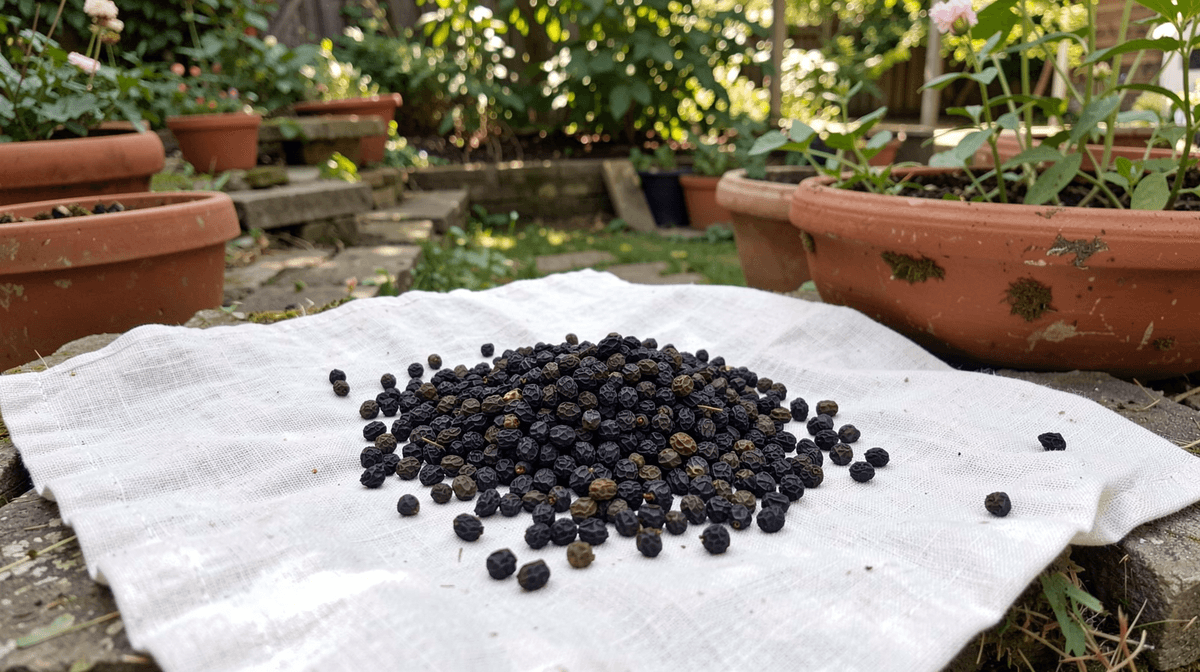
- Drying: This is where most people get it wrong by rushing. Spread the seeds out on a paper towel or a screen in a dry, well-ventilated area. I avoid direct sunlight because it can "cook" and damage the embryo inside the seed. You want them to feel dry and brittle, not sticky. In Oklahoma’s humidity, this might take a few days of checking and re-spreading.
- Storage: Once they are bone-dry, put them in an airtight container or a heavy-duty zip-top bag with a moisture-absorber packet. Store them in a cool, dark place—a closet or a basement is perfect.
Beyond the pod: Testing seed viability before you plant
There is nothing more frustrating than spending your spring getting a row ready just to have half of your seeds fail to sprout. I’ve learned that not every seed that makes it into your jar is going to make it into a healthy plant next year. Some might have stayed too damp during the drying process, and others may simply be "duds."
A simple way I use to check my stock is what some call the Float Test. Fill a glass jar with water and drop in a handful of your seeds.
- The Sinkers: These are your champions. They should sink straight to the bottom. This usually means they are dense, healthy, and have enough "meat" on them to grow.
- The Floaters: If a seed pops up or hovers near the surface, it’s likely hollow or has suffered from rot/damage during storage. I generally toss these out because they won't germinate reliably.
Doing this test before you start your seed trays gives you peace of mind. It ensures that when you finally put those seeds in the dirt, you aren't wasting space on "ghost" seeds that were never going to make it anyway.
When and where in Zone 7 should I be doing this?
In Oklahoma (Zone 7), timing is everything because our humidity can turn a drying project into a moldy mess if you aren't careful. You want to aim for the late summer window—typically August through early September—when the peppers are at their peak maturity but before the heavy autumn rains and frosts arrive.
Zone 7 Timing Reference
| Task | Typical Window (Zone 7) | Why it matters in Oklahoma |
|---|---|---|
| Isolation Planning | Early Spring (Planting) | Ensures physical distance between varieties is set before flowering begins. |
| Harvesting for Seeds | Late August - September | Captures the best fruit before the heat of summer completely exhausts the plant. |
| Drying Phase | September | Crucial to finish drying before the humidity spikes or rains become frequent. |
| Long-term Storage | October | Get seeds into a cool, dry indoor space before any potential frost hits the yard. |
Because our late summer can be unpredictable with moisture, I always keep an eye on the forecast during the "Drying" phase. If we’re expecting a week of high humidity or rain, I'll bring my drying trays inside to make sure those seeds don't start to ferment in their own moisture.
Bottom line: What to remember next season
Seed saving is a marathon, not a sprint. It takes patience and a bit of organization to keep your garden’s best traits from getting lost in the shuffle. If you want to succeed next year, here is my personal checklist for what to keep in mind as the season winds down:
- Keep Detailed Records: Label every jar clearly. Write down which variety it came from and any notes about its performance (e.g., "highly productive," "resisted pests well").
- Prioritize Space: When you're planning your layout for next spring, make sure those high-value varieties have their own "buffer zone" to prevent cross-pollination.
- Don't Rush the Dry: It is much better to spend an extra three days making sure a seed is truly dry than to risk mold in your storage container.
- Test Before You Sow: Use that float test before you start your seedlings; it saves you time, money, and frustration in the spring.
By treating your seeds with this kind of intentionality, you aren't just growing peppers—you're building a legacy for your backyard.
Your turn
What unique or reliable seed variety are you saving this year? Send me a photo of it! Share this with another grower who needs to stop buying expensive seeds every year and learn how to save their own stock.
🌿 Get Seasonal Gardening Tips
New guides, planting reminders, and growing tips — straight to your inbox.
No spam. Unsubscribe anytime.
About the Author
David Rodgers is the Founder & Head Gardener of Planting Atlas. With over 40 years of hands-on gardening experience in Oklahoma's Zone 7 climate, he researches, writes, and personally tests every guide on the site.
David draws from real backyard trials, soil testing, and trusted sources like Oklahoma State University Extension and USDA data to deliver practical, zone-specific advice that actually works.
Read more about David and Planting Atlas →