Loading…
←Back to Newsletters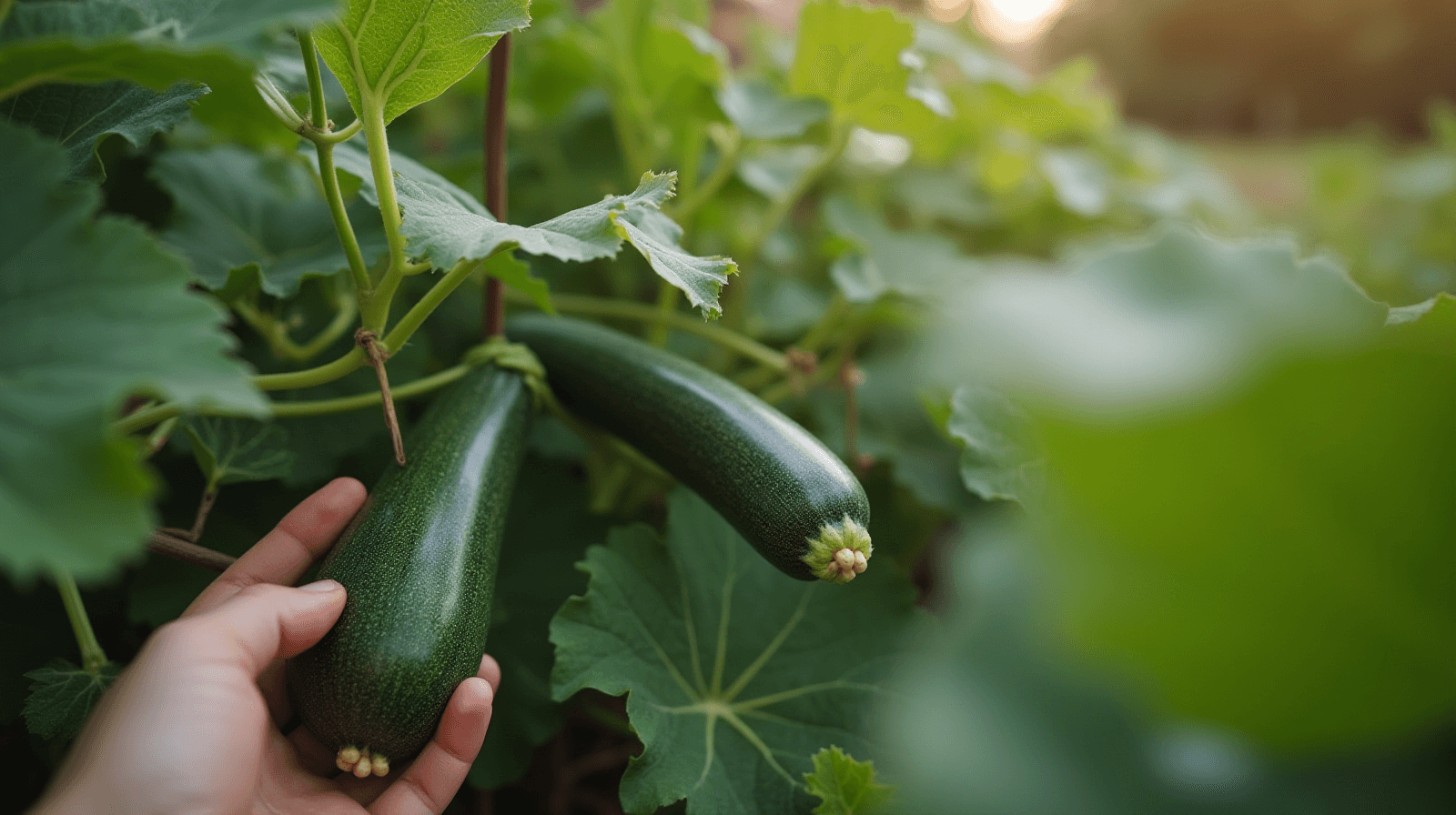

The Secret to Keeping Your Zucchini Sweet and Snackable All Summer Long
Written by David Rodgers — 2026-08-30
How genetics, heat stress, and harvest timing determine the flavor of your backyard squash.
The newsletter for gardeners who'd rather learn from a mistake made 40 years ago than repeat it themselves.
zucchinicucurbitsharvestingsoil health
Before you get frustrated: why your cucumbers might taste like soap
If you’ve ever bitten into a cucumber from your own backyard and felt that sharp, unpleasant tang—almost like you were chewing on a bar of soap—you aren't alone. It is one of the most common frustrations for home gardeners growing cucurbits (the family including squash, melons, and cucumbers). I used to think I was just unlucky or that my soil was "off," but it’s actually much more specific than that.
The bitterness comes from a group of compounds called cucurbitacins. These aren't just random flavors; they are chemical defense mechanisms. When the plant feels threatened by its environment, it produces these bitter chemicals to discourage pests and animals from eating it. In many cases, your "bitter" cucumber is simply a plant that felt like it was under attack from something in the environment—usually extreme heat or inconsistent water. It isn't a failure of your gardening skills; it’s a physiological response by the plant. Understanding this distinction helps you move away from frustration and toward specific strategies to keep those compounds at bay, ensuring your harvest is actually pleasant to eat.
The genetics game: knowing what flavor profile to plant
Not all cucumbers are created equal, and some varieties have been bred for very different purposes than others. One of the first lessons I learned in my own garden was that choosing the right variety is half the battle in preventing bitterness. If you want a cucumber that stays sweet even when things get tough, you need to look at what it was bred for.
Slicing vs. Bush Varieties
Generally, larger "slicer" types (like some of the long vining varieties) are more prone to developing bitter notes because they stay on the vine longer and have a larger surface area to react to environmental stress. Conversely, many "bush" varieties or specialty cultivars—especially those bred for high-quality snacking—have been selected specifically for their ability to maintain a milder flavor profile.
| Variety Type | Common Traits | Bitterness Risk | Best Use Case |
|---|---|---|---|
| Slicing Vining | Long, heavy fruit; high yield | Moderate/High | Pickling or large salads (if harvested early) |
| Bush Varieties | Compact growth; faster maturity | Lower | Snacking and fresh salads |
| Specialty Heirloom | Unique shapes; distinct flavors | Variable | Garden preserves and specialty markets |
When you’re selecting your seeds, don't just pick the one with the prettiest picture on the packet. Look for descriptions that emphasize "flavor," "sweetness," or specific local heritage. If a variety is marketed primarily for its massive size or high yield in industrial settings, it may not be the best choice if your primary goal is a consistent, mild flavor for your kitchen table.
Heat shock and stress: when your garden is too hot for sweet cucumbers
In my experience growing in Oklahoma (Zone 7), the summer heat can be unforgiving. This is where the "stress" part of the chemistry comes in. When temperatures spike significantly or when a cucumber vine experiences a sudden drop in soil moisture, it enters a state of panic. To protect itself from this environmental stress, the plant ramps up its production of those bitter cucurbitacins we mentioned earlier.
It’s not just about "hot" weather; it's about fluctuating conditions. A cucumber vine that goes from being well-watered to bone-dry in a single afternoon because of a heatwave is much more likely to produce bitter fruit than one that maintains steady moisture. The plant perceives the sudden dry spell as an attack and shuts down its "sweet" production to focus on defense.
To combat this, consistency is your best tool. In hot zones, you aren't just watering for growth; you are watering for stability. If the vine feels stable, it won't feel the need to produce those bitter chemicals. This means that even if the weather is predictably hot in July or August, your irrigation and mulching must be consistent enough to buffer the plant from those sudden environmental spikes.
The best way to harvest (and what not to do)
One of the most common mistakes I see—and one I made plenty of times early on—is letting a cucumber get too big before picking it. A cucumber that stays on the vine for even an extra day or two can begin to develop a bitter "core" because its size makes it harder for the plant to transport nutrients and moisture effectively.
Timing is Everything
You want to harvest when the fruit is at its peak of intended use, not when it's as large as it can possibly get. For most snacking varieties, this means picking them when they are about 6–8 inches long (depending on the variety). Once a cucumber passes a certain size threshold, the risk of bitterness increases exponentially because the plant begins to "give up" on that specific fruit.
Proper Handling
How you harvest also matters for the health of the vine:
- Use shears: Never pull cucumbers off the vine by hand. This can tear the delicate tissue and introduce pathogens into the main stem, which can lead to rot or stunted growth in future fruits.
- Cut near the base: Use a sharp pair of garden snips to cut the fruit from the main runner.
- Frequency matters: Harvesting frequently encourages the plant to put its energy into producing new fruit rather than trying to swell up old, oversized ones that are likely to become bitter anyway.
Keeping things sweet: preventative care for your vines
If you want a consistent harvest of sweet cucumbers, you have to treat the vine like it’s in a protected environment. In hot-zone gardening, this means minimizing every possible stressor so the plant never feels "threatened" enough to activate its bitter defense chemicals.
Mulching as a Shield
Mulch is non-negotiable for cucurbits in warmer climates. A heavy layer of straw or shredded leaves does two things: it keeps the root zone significantly cooler and, more importantly, it prevents moisture from evaporating too quickly. This creates a stable environment where the vine doesn't "panic" when the afternoon sun hits its peak.
Pruning and Airflow
A crowded vine is a stressed vine. If the foliage becomes too dense, airflow is restricted, humidity builds up around the stems, and the plant can become susceptible to powdery mildew or other issues that stress it out. By lightly pruning away excess growth and keeping the "main" runners clear, you ensure the plant stays healthy enough to maintain its flavor profile.
Consistent Feeding
Don't just fertilize for a massive explosion of growth; feed for sustained health. A steady supply of balanced nutrients helps the vine build uper-resilience against environmental stressors. When a plant is well-nourished, it has more resources to dedicate to fruit quality rather than basic survival.
Quick fixes in the kitchen (and garden)
Even with perfect gardening, sometimes nature wins and you end up with a cucumber that has a slightly bitter edge. Before you toss it in the compost, there are ways to manage this in your kitchen. Bitter cucurbitacins are often tempered by fats and acids. If you suspect a cucumber is a bit bitter, try these methods:
- The Fat Method: Sautéing sliced cucumbers with butter or olive oil can coat the palate and mask much of the bitterness. This works exceptionally well in stir-fries or as a component in a warm salad.
- The Acid Balance: If you’re making a salad, add extra lemon juice or a splash of apple cider vinegar. The acid cuts through the "soapy" sensation that cucurbitacins produce.
- Pickling: This is the ultimate fix. The brine and spices in traditional pickling can mask almost any bitterness while preserving the crunch.
In terms of a garden-based "fix," if you find your cucumbers are consistently bitter, it’s time to look at your irrigation and mulch levels. If they only turn bitter in late July or August, you likely need a more robust mulching system to protect against those high-heat spikes. By addressing the stress at the source, you can ensure that most of your harvest remains sweet and snackable all season long.
Your turn
Have you ever had a cucumber so bitter it ruined dinner? Tell me about it in the comments! And if this helped save your summer meals, share it with a fellow gardener who needs a sweet yield.
🌿 Get Seasonal Gardening Tips
New guides, planting reminders, and growing tips — straight to your inbox.
No spam. Unsubscribe anytime.
About the Author
David Rodgers is the Founder & Head Gardener of Planting Atlas. With over 40 years of hands-on gardening experience in Oklahoma's Zone 7 climate, he researches, writes, and personally tests every guide on the site.
David draws from real backyard trials, soil testing, and trusted sources like Oklahoma State University Extension and USDA data to deliver practical, zone-specific advice that actually works.
Read more about David and Planting Atlas →