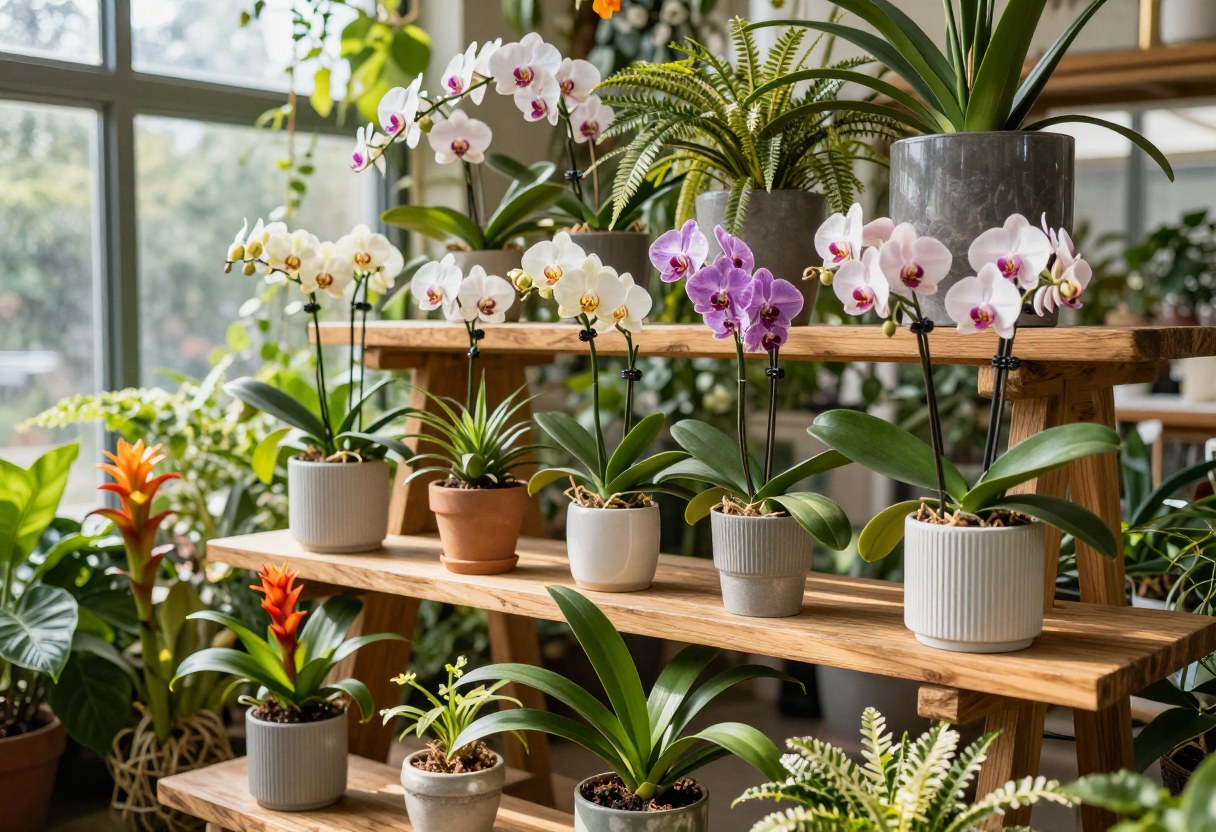
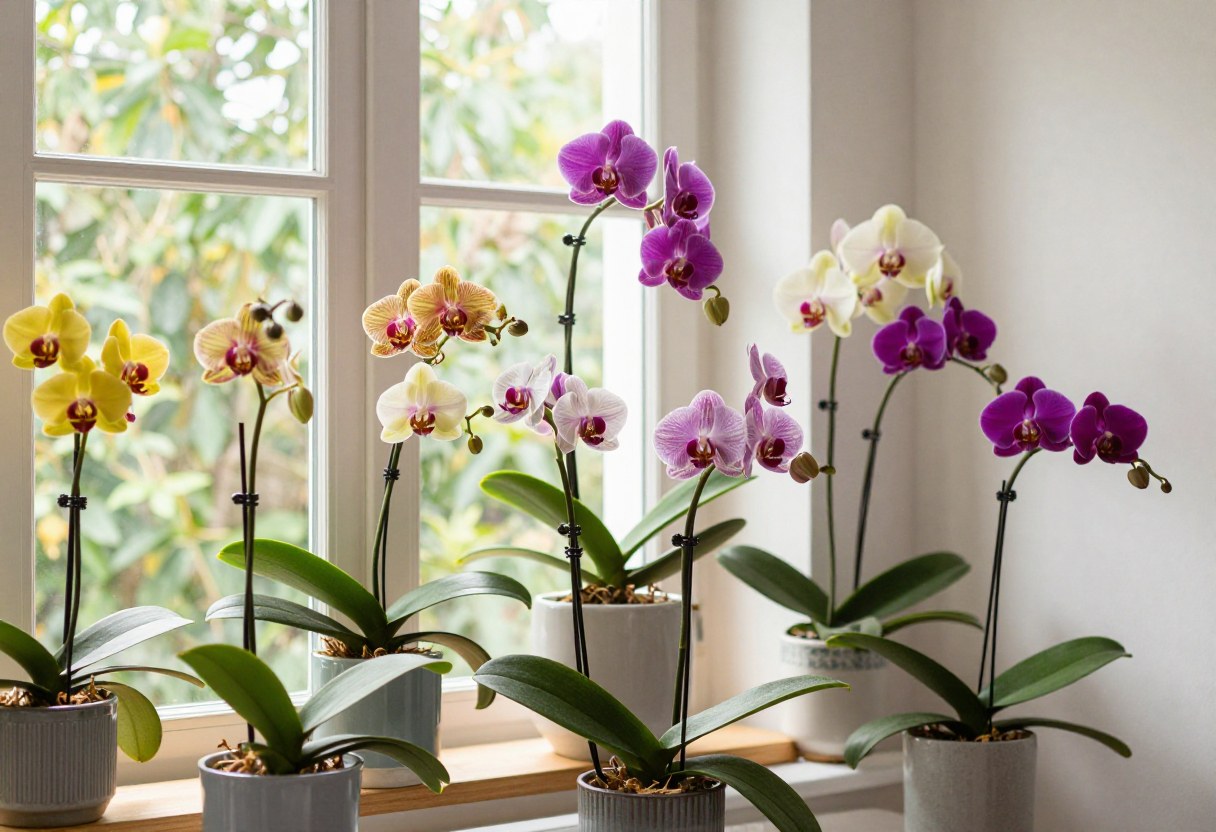
Turn Your Sunroom Into a Lush Indoor Tropical Garden
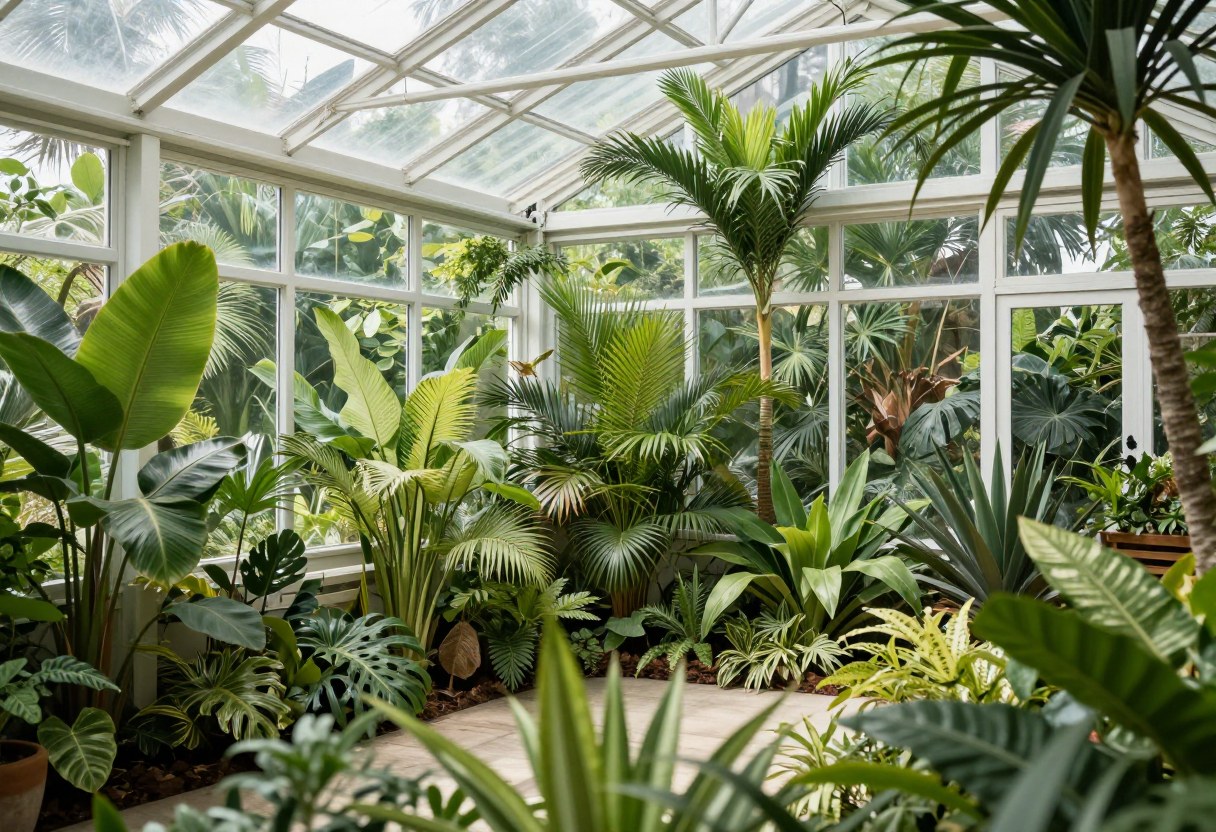
A sunroom is one of the most extraordinary plant environments in any American home — more light than any interior room, more protection than any outdoor garden, and the ability to grow lush tropical plants that would never survive your local winters. This guide teaches you how to choose the right plants for your specific sunroom conditions, design a space that looks genuinely beautiful year-round, and care for tropical plants successfully no matter where in the country you live.
The single biggest mistake sunroom plant enthusiasts make is buying plants they love and then discovering those plants are completely wrong for their sunroom's conditions. A sunroom that faces north with tinted glass is an entirely different growing environment from a south-facing sunroom with clear glass panels — yet both look like "sunny" spaces to the untrained eye. Before you invest in plants, spend a week observing and measuring your sunroom's actual conditions.
Sunrooms vary enormously in the growing conditions they provide. The same model home in Minnesota and Florida will have radically different interior temperatures, humidity levels, and winter light intensities. The orientation of the glazing, the type of glass, the presence of insulation, and your local climate all combine to create a unique microclimate that determines which plants will succeed and which will struggle.
Sunroom Orientation: The Most Important Variable
The direction your sunroom's primary glazing faces determines everything about the quantity and quality of light your plants will receive. This single factor should drive the majority of your plant selection decisions.
Orientation
Light Quality
Summer Conditions
Winter Conditions
Best Plant Categories
South-facing
Brightest and longest direct sun; 6–10+ hours direct light in summer
Can become extremely hot (90–110°F without ventilation); shade management critical
Best winter light of any orientation; stays warmest in cold climates; still adequate for most tropicals
Full-sun tropicals: bougainvillea, hibiscus, citrus, plumeria, succulents, bird of paradise — the widest plant palette of any orientation
West-facing
Strong afternoon direct sun; 4–6 hours direct; intense heat in afternoon
Afternoon heat can be extreme in summer; morning cool, afternoon hot pattern
Good winter afternoon sun; decent warmth in cold months; somewhat less than south
Sun-loving tropicals that tolerate afternoon heat: palms, bougainvillea, hibiscus, many succulents
East-facing
Gentle morning direct sun; 3–5 hours direct; bright indirect rest of day
Pleasant conditions; rarely overheats; good airflow; ideal plant environment
Adequate for most tropicals though light diminishes significantly in winter months
No direct sun; bright indirect light only; lowest light of any orientation
Coolest summer temperatures; very comfortable for plants and people
Least winter light; temperatures may drop significantly; heating important
Shade-tolerant tropicals only: ferns, pothos, peace lily, cast iron plant, ZZ plant — plant selection is limited but beautiful spaces are possible
Mixed/Multi-wall
Varies by wall; typically excellent overall light with some direct sun
Variable by season; usually good cross-ventilation; more even conditions
Good winter light on south and west walls; complex but manageable
Greatest plant diversity possible; can accommodate almost all tropical categories by placing plants strategically
Glass Type and Its Effect on Plant Growth
Not all sunroom glazing is equal from a plant perspective. The type of glass or polycarbonate panels significantly affects the quality and quantity of light reaching your plants — sometimes dramatically.
•Clear single-pane glass — maximum light transmission (90%+); plants love it; downside is poor insulation and extreme temperature swings; mostly found in older sunrooms
•Low-E double-pane glass — the most common modern glazing; Low-E coating reflects infrared heat while allowing visible light through; typically 70–80% light transmission; excellent insulation but noticeably less bright than clear glass
•Tinted or bronze glass — significantly reduces light; some tints allow only 40–60% transmission; if your sunroom has tinted glass, choose plants rated for lower light than the space appears to provide
•Polycarbonate panels — common in lean-to and economy sunrooms; light transmission varies widely (50–90%) depending on thickness and tint; yellows over time, progressively reducing light
•UV-filtering coatings — blocks UV-B and UV-C radiation; most plants don't require UV for growth (they use visible light for photosynthesis); not a significant plant concern in most situations
Temperature: The Critical Limiting Factor
Temperature is the factor that most often defeats sunroom plant collections — either because summer temperatures become lethally hot for cool-preferring plants, or because winter temperatures drop below what tropical plants can tolerate. Measuring and managing temperature is essential sunroom gardening knowledge.
Temperature Range
Classification
Plant Implications
U.S. Sunroom Situations
Below 40°F
Too cold for most tropicals
Below 40°F, most tropical plants suffer chilling injury; below 32°F, frost damage or death for all but the hardiest plants
Unheated sunrooms in cold climates (Zones 3–6) in winter; poorly insulated older sunrooms
40–55°F
Cool / sub-tropical
Suitable for cool-season tropicals (jade plant, aloe, some orchids, citrus); many tropicals go dormant or grow very slowly
Minimally heated sunrooms; transition periods in northern climates; southern sunrooms in mild winters
55–65°F
Subtropical minimum
Minimum acceptable for most houseplant tropicals; plants survive but growth slows significantly; good for orchids; many tropical aroids fine
Well-insulated sunrooms with minimal heating; southern U.S. mild winters; night temperature target for most sunroom growers
65–80°F
Optimal tropical growing range
The sweet spot for virtually all tropical plants; maximum growth rate; flowering encouraged; humidity management most important
Year-round conditions in southern U.S.; heated northern sunrooms in winter; spring/fall in most climates
80–90°F
Warm tropical
Excellent for heat-loving tropicals (bougainvillea, hibiscus, bird of paradise, palms); some plants slow down; water demand increases significantly
Summer conditions in south-facing sunrooms; summer across most of the U.S. without ventilation
Above 90°F
Potentially stressful
Most plants stress above 90°F; leaves may scorch; growth stops; increased pest pressure; ventilation or shading becomes urgent
Spend two weeks measuring your sunroom's actual temperature range before buying plants — not just at midday but at 6 AM (coldest point) and 2 PM (hottest point) on both clear and cloudy days. Use an inexpensive min/max thermometer ($12–20) that records the highest and lowest temperatures automatically. The minimum winter nighttime temperature is the most important number for plant selection.
Humidity: The Most Underestimated Challenge
Most tropical plants evolved in environments with 60–90% relative humidity. The average American home interior runs at 30–50% in summer and as low as 15–25% in winter when heating systems run. Managing humidity in a sunroom — especially in winter — is often the difference between a thriving plant collection and one that perpetually battles spider mites, brown leaf tips, and drooping foliage.
•Group plants together — clustered plants create a microclimate of elevated humidity through collective transpiration; a dense planting of 10+ plants can maintain measurably higher local humidity than the same plants spread across a room
•Pebble trays — fill shallow trays with pebbles, add water to just below the pebble surface, and set plant pots on top; as water evaporates it humidifies the air immediately around the plants; refill every few days
•Humidifiers — a room humidifier sized for your sunroom's square footage is the most reliable solution; maintain at 50–60% RH for most tropicals; 60–70% for ferns and orchids
•Water features — a small indoor fountain adds both ambient humidity and the sound of moving water; creates a genuinely lush tropical atmosphere
•Avoid misting as your primary strategy — misting directly increases humidity only for minutes, and wet foliage in a sunroom (especially on sunny days) can cause leaf scorch and promote fungal issues
Assessing Light Levels
Light is measured in foot-candles (fc). Understanding actual light levels — not just "sunny" or "bright" — lets you match plants precisely to positions in your sunroom. A light meter app on a smartphone gives a reasonable reading.
Light Level
Foot-Candles
Typical Sunroom Location
Plants That Thrive
Direct sun
5,000–10,000+ fc
Within 2–3 feet of south or west glazing; sun directly on glass
Bougainvillea, hibiscus, citrus, plumeria, desert cacti, agave, bird of paradise, many palms
Bright indirect / high indirect
1,000–5,000 fc
3–6 feet from glazing; shaded by overhang, furniture, or other plants; east-facing near glass
Most foliage tropicals, orchids, bromeliads, anthuriums, monstera, fiddle-leaf fig
Medium indirect
200–1,000 fc
6–10 feet from glazing; north-facing; heavy overhang; interior of sunroom
Pothos, philodendron, peace lily, ZZ plant, snake plant, many ferns, Chinese evergreen
Low light
Below 200 fc
Interior corners far from glazing; north-facing sunrooms in deep winter
Cast iron plant, ZZ plant, pothos (tolerates but grows slowly); very limited tropical options
💡
Seasonal light drop in northern climates: in northern states (Zones 3–6), winter light levels in a sunroom can drop to 30–40% of summer levels — even in a south-facing room. Plants that thrive from April through October may show significant stress from November through February. Have a plan: supplemental grow lights, moving plants to better positions, or choosing plants that tolerate seasonal dormancy.
A sunroom offers more light than any interior room and more protection than any outdoor garden — a genuinely unique growing environment once you understand its actual conditions.
Section 2: The Best Sunroom Plants
The most successful sunroom plant collections share one characteristic: every plant was chosen for the specific conditions of that sunroom, not just for how it looks at the nursery. The following six categories organize sunroom plants by their primary requirements — helping you build a collection where every plant is set up to succeed.
Category 1: The Statement Makers — Bold Tropicals for Sunny Sunrooms
These are the plants that make people stop and stare — the ones that make your sunroom look like a greenhouse in the tropics rather than an ordinary sitting room. They require bright direct light and warm temperatures, making them ideal for south and west-facing sunrooms.
Plant
Light
Temperature
Water
Key Notes
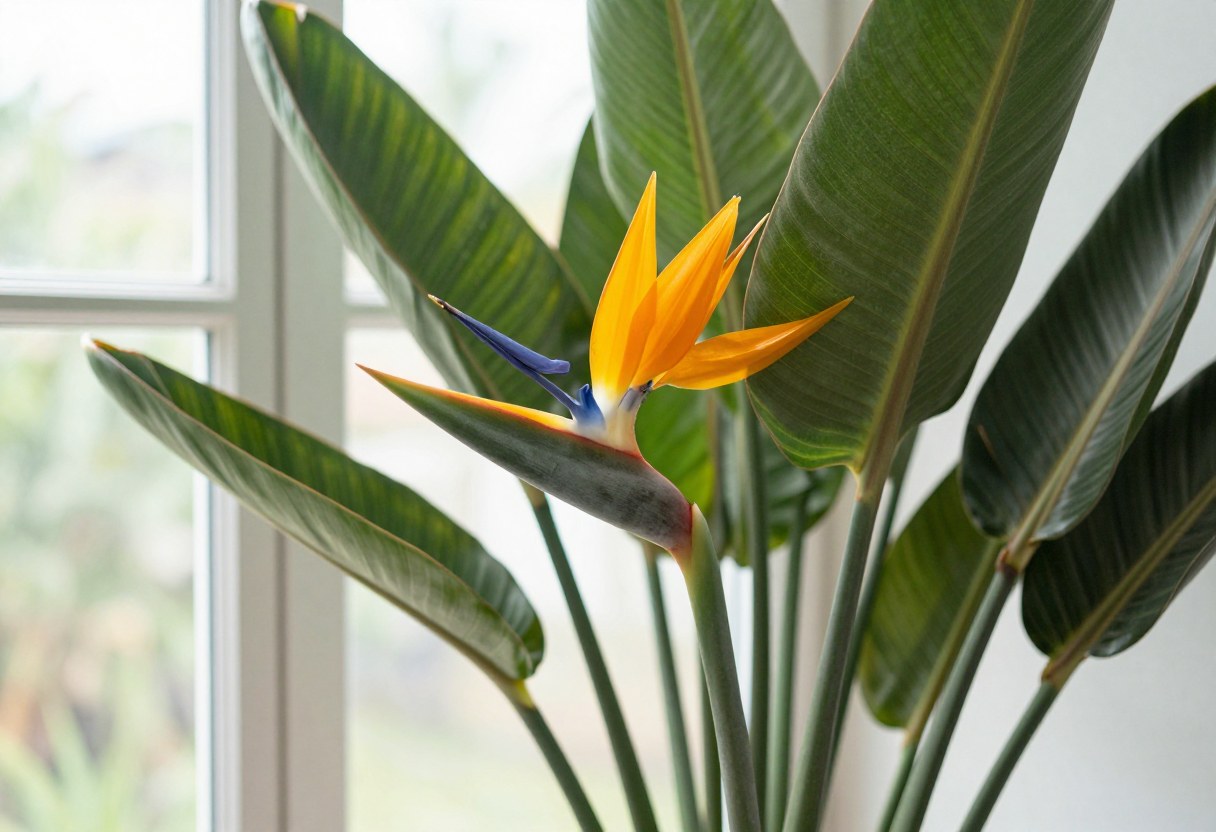
Bird of Paradise (Strelitzia reginae / S. nicolai)
Bright direct sun; south or west facing ideal; minimum 4–6 hours direct sun for flowering
65–90°F; tolerates brief dips to 50°F; prefers warm nights (60°F+) for flowering
Allow top 2 inches of soil to dry between waterings; reduce in winter; overwatering is the primary killer
S. reginae (orange flower, 4–5 ft) flowers in sunrooms; S. nicolai (white flower, 6–20 ft) grown for enormous paddle leaves — choose based on ceiling height. Brown leaf tips from low humidity or fluoride in water.
Bougainvillea
Full direct sun essential — minimum 5–6 hours; will not bloom in indirect light; south-facing sunroom is its natural home
60–90°F growing; tolerates brief dips to 40°F but loses leaves; blooms best with 10°F+ swing between day and night
Let soil dry substantially between waterings — a slightly stressed plant flowers far more freely than a coddled one; overwatered bougainvillea produces leaves, not bracts
High-phosphorus "bloom booster" fertilizer monthly when growing; train on trellis or let cascade; prune after each bloom flush; sharp thorns require gloves. In Zones 9–11, can be trained as a permanent specimen.
Tropical Hibiscus (Hibiscus rosa-sinensis)
Bright direct to bright indirect; south or west window essential for reliable blooming; 4+ hours direct sun preferred
60–90°F; very cold-sensitive; below 50°F causes leaf and bud drop; keep above 55°F in winter
Consistently moist but not waterlogged; wilts dramatically when dry; self-watering pots work very well
Heavy feeder — fertilize every 2 weeks during growing season; flowers on new growth so prune regularly to encourage branching; whiteflies, aphids, and spider mites are common — inspect weekly.
Citrus Trees (Meyer Lemon, Calamondin, Kumquat, Key Lime)
Full direct sun essential; south-facing sunroom nearly mandatory north of Zone 8; 6+ hours direct sun for fruiting
55–85°F; keep above 50°F to avoid fruit drop and leaf loss
Consistent moisture without waterlogging; let top inch dry between waterings; citrus drops fruit and leaves dramatically when water-stressed or overwatered
Meyer Lemon is the most reliable indoor fruiter with near-year-round blooms. Use dedicated citrus fertilizer with micronutrients. Self-pollinating but hand-pollinate with a small brush for best fruit set. Blossom fragrance is extraordinary.
Plumeria (Plumeria spp.)
Full direct sun absolutely required; 6+ hours; south-facing sunroom ideal
Loves heat (75–95°F); suffers below 55°F; dormant plants safe even at 40°F
Allow to dry significantly between waterings; during winter dormancy water barely at all — once monthly is often sufficient
Deciduous in winter — leaves drop completely and plant appears dead; this is normal and healthy, do not overwater. Extraordinary fragrance (vanilla, coconut, spice, or floral depending on cultivar). Tip cuttings root easily — dry cut ends one week before planting.
These statement makers need bright direct light and warm temperatures — south and west-facing sunrooms are their natural home.
Category 2: The Lush Foliage Plants — Tropical Drama from Leaves
These large-leafed tropicals create the dense, jungle-lush atmosphere that makes a great sunroom feel genuinely immersive. Most prefer bright indirect light, making them adaptable to a wider range of sunroom orientations than the flowering showstoppers above.
Plant
Light Need
Size
Min Temp
Standout Feature
Difficulty
Monstera deliciosa (Swiss Cheese Plant)
Bright indirect
4–8 ft indoors
60°F
Iconic split and fenestrated leaves; grows rapidly; climbs with support; can produce edible fruit in ideal conditions
Easy
Fiddle-Leaf Fig (Ficus lyrata)
Bright indirect to some direct
5–10 ft
60°F
Large violin-shaped leaves; dramatic vertical silhouette; very popular; hates being moved — choose its position carefully
Moderate
Elephant Ear (Alocasia / Colocasia)
Bright indirect
3–8 ft (varies)
60°F
Enormous dramatic leaves; many species with different colors and patterns; architectural excellence
Moderate
Philodendron (various spp.)
Medium to bright indirect
1–6 ft (varies)
55°F
Enormous genus; climbing and upright forms; many leaf shapes; incredibly adaptable; split-leaf types dramatic
Easy
Rubber Tree (Ficus elastica)
Bright indirect to some direct
4–10 ft
60°F
Bold large leaves in deep green, burgundy, or variegated; very architectural; tolerates lower light than many ficus
Easy
Banana (Musa spp.)
Full to bright indirect
5–15 ft (varies)
60°F
Fastest-growing truly tropical look; enormous paddle leaves; Dwarf Cavendish and Truly Tiny for smaller sunrooms
Moderate
Kentia Palm (Howea forsteriana)
Medium to bright indirect
4–10 ft
55°F
The classic Victorian palm; tolerates lower light than almost any other palm; graceful arching fronds; very elegant
Easy
Areca Palm (Dypsis lutescens)
Bright indirect to some direct
5–8 ft
60°F
Feathery arching fronds; multiple canes; excellent tropical feel; one of the most popular indoor palms
Easy
Bird's Nest Fern (Asplenium nidus)
Medium indirect (no direct sun)
2–3 ft
60°F
Glossy bright green fronds in a rosette; classic tropical lushness; browns if given harsh direct sun
Easy–Moderate
Staghorn Fern (Platycerium)
Bright indirect
Mounted; spreads 2–4 ft
55°F
Mounted on wood; dramatic antler-shaped fronds; excellent vertical interest on walls
Moderate
Traveler's Palm (Ravenala)
Full to bright direct
5–12 ft
60°F
Fan-shaped architectural plant; unmistakable silhouette; very dramatic statement specimen
Moderate
Tree Fern (Cyathea / Dicksonia)
Bright indirect
4–8 ft
55°F
Ancient dinosaur-era plants; dramatic trunk and arching fronds; requires consistently high humidity (70%+)
Challenging
Category 3: The Orchids — Precision Rewarded
Orchids are the most diverse family of flowering plants on Earth. The sunroom is an excellent environment for many orchid genera, providing the light variation, temperature differential, and humidity that drives blooming. The key is matching the right orchid genus to your specific sunroom conditions.
Orchid Type
Sunroom Light
Temperature Need
Humidity
Bloom Season
Notes
Phalaenopsis (Moth Orchid)
Bright indirect (no direct sun)
Day: 65–80°F; Night: 55–65°F; temp drop triggers bloom
Moderate (50–70%)
Winter–Spring (2–4 months per spike)
Most forgiving orchid; east-facing sunroom ideal; keep out of direct sun which scorches leaves; most commonly available
Cattleya & allies
Bright indirect to some direct morning sun
65–80°F day; 55–65°F night
Moderate (50–70%)
Varies; often fall–winter
The classic corsage orchid; spectacular large fragrant flowers; needs more light than phalaenopsis; east or shaded south sunroom
Dendrobium
Bright indirect to morning direct
65–85°F summer; 45–55°F winter for deciduous types
Moderate–High
Usually winter–spring
Large genus; cane-type needs cool dry winter rest; phalaenopsis-type is evergreen and easier; both excellent in sunrooms
Oncidium / Dancing Lady
Medium–bright indirect
60–80°F; slight temp drop for blooming
Moderate (50–70%)
Varies; often fall
Airy branched sprays of small flowers; tolerates wider temperature and light range than many orchids; very rewarding
Cymbidium
Bright indirect to some direct
Day: 70–80°F; crucial cool nights 40–50°F in fall
Moderate
Winter–early spring (long-lasting)
Needs cold nights in fall to set buds — move outside or to unheated area; spectacular when in bloom; popular in PNW and N. California
Vanda
Very bright; thrives in full sun
70–95°F; warm-growing
Very high (70–80%)
Variable; some nearly year-round
Needs the brightest sunroom conditions; often grown mounted or in baskets with no medium; spectacular large flowers; popular in South Florida
Miltoniopsis (Pansy Orchid)
Medium indirect
55–70°F; cool-growing
High (60–80%)
Spring and fall
Cool-growers; beautiful large pansy-like flowers; excellent for northern sunrooms that stay cooler; easy to overheat
Category 4: Bromeliads — The Low-Maintenance Showstoppers
Bromeliads are among the most rewarding plants for sunroom growing — virtually indestructible, tolerant of inconsistent watering, adaptable to a range of light conditions, and capable of spectacular long-lasting blooms (sometimes 3–6 months). The family includes over 3,000 species.
Bromeliad Type
Light
Watering Method
Humidity
Bloom
Notes
Guzmania
Medium to bright indirect
Keep central cup filled with water; soil barely moist
Moderate–High
Spectacular colorful bracts for 3–5 months
Most common in garden centers; red, orange, yellow, pink tanks; excellent shade tolerance; ideal for east-facing sunrooms
Vriesea
Medium to bright indirect
Cup water; soil barely moist
Moderate–High
Flattened sword-like flower spikes; long-lasting
Similar to Guzmania; some have striking banded or spotted foliage that is beautiful even without bloom
Aechmea
Bright indirect to some direct
Cup water; soil slightly more moist
Moderate
Pink/blue spike; pink bracts for months
More light-tolerant than many bromeliads; A. fasciata ("silver vase") is the classic; very architectural
Neoregelia
Bright indirect to some direct
Cup water; soil drier
Moderate
Flowers inside the cup; grown for spectacular foliage coloration
Some of the most dramatic foliage in the plant world; colors intensify with more light; excellent for south/west sunrooms
Tillandsia (Air Plants)
Bright indirect; some tolerate more light
Soak in water 30 min weekly; shake dry; no soil needed
Moderate–High
Small but often beautifully colored
No soil; mount on driftwood, cork bark, or shells; perfect for humid sunrooms; hundreds of species available
Ananas (Pineapple)
Full to bright direct sun
Soil moderately moist; less in low-light periods
Moderate
Actual edible pineapple with persistence; ornamental varieties have variegated leaves
A novelty with real function; Ananas comosus var. variegatus is beautiful with cream-striped leaves; needs full sun for fruit
Category 5: Easy Winners — Foolproof Tropicals for Any Sunroom
These plants are the foundation of a successful sunroom plant collection — they tolerate imperfect conditions, forgive lapses in watering and care, and still look beautiful year-round. Build your sunroom plant community around these reliable performers and add more demanding specimens as your confidence grows.
Plant
Light
Water
Min Temp
Size
Why It Works
Difficulty
Pothos (Epipremnum aureum)
Low to bright indirect
Let dry between waterings; very drought-tolerant
55°F
Trailing to 10+ ft
Nearly indestructible; tolerates neglect, low light, irregular watering; beautiful in hanging baskets or climbing a moss pole
Very Easy
Snake Plant (Sansevieria / Dracaena trifasciata)
Low to bright indirect
Allow to fully dry between waterings; once monthly in winter
50°F
1–4 ft
The most forgiving plant in horticulture; almost impossible to kill; architectural form; ideal for corners with lower light
Very Easy
Peace Lily (Spathiphyllum)
Low to medium indirect
Keep consistently moist; wilts dramatically but recovers
60°F
1–3 ft
Communicates its water needs dramatically (wilts) but forgives immediately; tolerates low light; white flowers; excellent for darker sunrooms
Easy
ZZ Plant (Zamioculcas zamiifolia)
Low to bright indirect; no direct sun
Allow to nearly fully dry; stores water in rhizomes; very drought-tolerant
60°F
2–3 ft
Glossy architectural foliage; nearly drought-proof due to water-storing rhizomes; excellent for forgetful waterers or frequent travel
Very Easy
Chinese Evergreen (Aglaonema)
Low to medium indirect
Allow top inch to dry; moderate water needs
60°F
1–2 ft
One of the most tolerant houseplants; wide range of beautiful foliage colors from deep green to pink and red
Easy
Dracaena (various spp.)
Low to bright indirect
Allow to dry between waterings; sensitive to fluoride
55°F
2–8 ft (varies)
Architectural tropical trees; D. marginata, D. fragrans, D. reflexa all excellent; tolerates lower light; slow-growing but long-lived
Easy
Spider Plant (Chlorophytum comosum)
Bright to medium indirect
Moderate; tolerates inconsistent watering
45°F
1–2 ft with hanging babies
One of the easiest plants on Earth; produces long arching stems with baby plants; beautiful in hanging baskets; very cold-tolerant
Very Easy
Heartleaf Philodendron (P. hederaceum)
Low to bright indirect
Allow top inch to dry; forgiving of inconsistent watering
55°F
Trailing to 6+ ft
Classic trailing tropical with heart-shaped leaves; tolerates low light better than pothos; excellent on a moss pole or in a hanging basket
Very Easy
Cast Iron Plant (Aspidistra elatior)
Low to medium indirect; very tolerant
Let dry between waterings; extremely drought-tolerant
25°F (!)
2–3 ft
Earned its name — virtually indestructible; tolerates deep shade, temperature extremes, drought, and neglect; ideal for cool north-facing sunrooms
Very Easy
Aloe Vera
Bright indirect to full sun
Allow to fully dry; very drought-tolerant; monthly in winter
50°F
1–2 ft
Practical (medicinal gel) and beautiful; dramatic rosette form; tolerates full sun and some neglect; produces offsets freely
Very Easy
Category 6: Fragrant Sunroom Plants — Engaging All the Senses
A sunroom planted with fragrant tropicals becomes a truly immersive sensory experience. The enclosed space concentrates fragrance in a way that's impossible in an outdoor garden. These plants are worth seeking out specifically for their scent.
•Gardenia (Gardenia jasminoides) — one of the most intensely fragrant flowers in horticulture; white blooms against dark glossy foliage; needs bright indirect light, high humidity (60%+), and acidic soil (pH 5.0–6.0); demanding but extraordinary — the scent in a closed sunroom on a winter morning is unforgettable
•Jasmine (Jasminum spp.) — J. polyanthum (pink jasmine) blooms prolifically in late winter with intensely sweet fragrance; J. sambac (Arabian jasmine) is more heat-tolerant and blooms repeatedly; needs bright indirect to some direct light; train on a trellis or hoop
•Stephanotis (Bridal Wreath) — waxy white tubular flowers with a rich sweet fragrance; traditionally used in wedding bouquets; needs bright indirect light, consistent moisture, and a cool resting period in winter; train on a trellis as a climbing vine
•Night-Blooming Jasmine (Cestrum nocturnum) — not a true jasmine but produces extraordinarily powerful fragrance after dark — one plant can scent an entire house; small greenish-white flowers; needs bright light and warmth; the evening fragrance experience is remarkable
•Meyer Lemon (Citrus meyeri) — citrus blossom fragrance when blooming is among the finest natural scents; Meyer lemon blooms repeatedly through the year in sunroom conditions; the combination of fragrant flowers, glossy foliage, and edible fruit makes it the ideal sunroom citrus
•Ylang Ylang (Cananga odorata) — the source of the famous perfume ingredient; produces intensely exotic, sweet flowers; needs full sun and warmth; grows large (prune to control); best in southern U.S. sunrooms or very bright northern ones
•Plumeria (Plumeria spp.) — some cultivars smell of vanilla, coconut, spice, or classic Hawaiian floral; in a warm sunroom in summer, a blooming plumeria is an almost spiritual sensory experience (see Category 1 for full care details)
•Cuban Oregano (Plectranthus amboinicus) — intensely aromatic foliage (smells like oregano and thyme); velvety textured leaves; produces small lavender flowers; very easy to grow and propagate; excellent sunroom plant that engages the sense of smell through touch
🌺
Build your sunroom plant collection in layers: start with 3–5 Easy Winners as your backbone, add 2–3 Lush Foliage plants for structure and drama, then introduce one or two Statement Makers or Orchids as your showpieces. This approach ensures you always have something beautiful even if a more demanding plant struggles — and it gives you a forgiving learning environment as you develop your sunroom growing skills.
Section 3: Sunroom Plant Care
Sunroom growing conditions amplify both the opportunities and the challenges of tropical plant care. The intense light that makes sunrooms ideal for light-hungry tropicals also drives faster water consumption, faster soil drying, and faster buildup of mineral salts in containers. The warm enclosed environment that tropicals love also creates ideal conditions for pests to multiply rapidly once established.
Watering in a Sunroom: More Frequent Than You Think
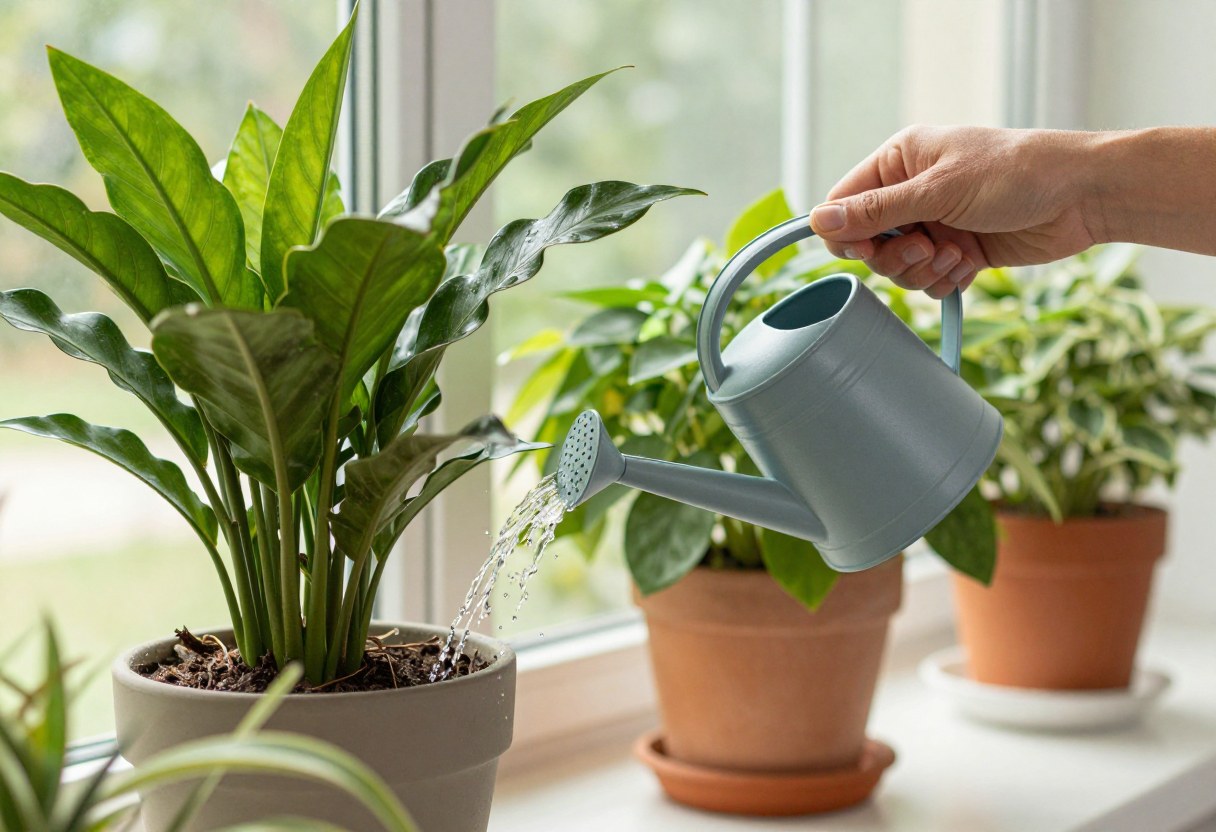
Plants in a sunny sunroom typically need watering 30–60% more frequently than the same plants in an interior room. The combination of brighter light, higher temperatures, and better drainage means the soil dries faster and plants need more water more often.
•The finger test: push your finger 1–2 inches into the soil — if dry at that depth, most plants need water; if moist, check again in 1–2 days; this simple test beats any watering schedule
•Water thoroughly: when you water, water until it flows freely from drainage holes — don't just dampen the surface; this ensures the entire root ball receives moisture and flushes accumulated mineral salts
•Never let pots sit in standing water: empty saucers within 30 minutes of watering; roots in standing water deplete oxygen rapidly and root rot develops within days in a warm sunroom
•Morning watering is ideal: water in the morning so foliage dries before evening; evening wet foliage in a humid sunroom is an invitation to fungal disease
•Reduce watering in winter: even in a heated sunroom, shorter days and lower light intensity mean plants photosynthesize less and use less water; many overwatering deaths happen in winter
•Water quality matters: tropical plants are sensitive to fluoride and chlorine in municipal water; if you see brown leaf tip burn (especially on spider plants, dracaena, and peace lily), switch to filtered or rainwater, or allow tap water to sit out overnight
💧
Self-watering containers with a reservoir in the base are particularly valuable in sunrooms, where intense light and heat can cause soil to dry out faster than busy schedules allow. Plants draw water up through capillary action as needed. Especially excellent for hibiscus, citrus, ferns, and other plants that dislike soil swinging between wet and dry — fill the reservoir every 1–2 weeks instead of watering every few days.
Soil and Potting Mix for Sunroom Plants
Standard potting mix sold in most garden centers is a general-purpose medium that works adequately for many plants but is optimized for none of them. In the high-light, warm conditions of a sunroom, understanding what your specific plants need in their potting mix pays significant dividends.
Mix Type
Composition
Best For
Notes
Standard tropical mix
Quality potting mix + 20% perlite; well-draining but moisture-retentive
Most foliage tropicals: monstera, philodendron, pothos, Chinese evergreen, rubber tree, dracaena
The workhorse mix; perlite addition is critical — standard potting mix alone compacts too quickly in containers
Good drainage with some nutrient retention; worm castings add beneficial microbes; pH slightly acidic (6.0–6.5) for citrus
Fertilizing Sunroom Plants
Sunroom plants are typically heavier feeders than the same plants grown indoors under dimmer conditions. Nutrients also deplete faster in containers that are watered frequently. A consistent, appropriate fertilizing program is the difference between plants that merely survive and plants that truly thrive.
•Balanced fertilizer (20-20-20 or similar): excellent for foliage-focused tropicals (monstera, philodendron, ferns, palms) during active growing season; dilute to half-strength and apply every 2–3 weeks
•High-phosphorus fertilizer ("bloom booster," e.g., 10-30-20): encourages flowering in hibiscus, bougainvillea, orchids, and other flowering plants; use when you want to stimulate blooming
•Slow-release granular fertilizer (Osmocote or similar): mix into potting soil at repotting or top-dress; releases nutrients over 3–6 months; convenient for large collections
•Orchid fertilizer: dilute liquid orchid fertilizer at 1/4 strength, every watering when in active growth ("weakly, weekly"); specialized formulas have the right micronutrient balance
•Citrus fertilizer: dedicated citrus fertilizers include micronutrients (iron, magnesium, manganese) that standard fertilizers lack; use year-round for actively growing sunroom citrus
•Winter reduction: reduce fertilizing frequency by 50–75% during the shortest days; most tropical plants slow growth significantly even in a heated sunroom when December–January light levels drop
•Flush soil monthly: water heavily until water pours from drainage holes for a full minute; this washes away accumulated fertilizer salts that cause root burn and leaf tip damage
Repotting: When and How
•Signs repotting is needed: roots growing through drainage holes or visibly circling the soil surface; plant drying out within 1–2 days of watering; plant clearly too large for its container; potting mix breaking down (dark and compacted)
•Timing: repot in spring as light intensity increases and plants enter active growth; never repot a stressed or sick plant; avoid repotting during flowering
•Size up gradually: choose a pot only 1–2 inches larger in diameter than the current pot; oversized pots hold too much moisture relative to root volume and increase root rot risk significantly
•Pot material: terra cotta dries faster (good for drought-tolerant plants; bad for moisture-lovers); glazed ceramic and plastic retain moisture longer; drainage holes are non-negotiable regardless of material
•Refreshing without repotting: if a plant is in the right-sized pot, remove the top 2–3 inches of old soil and replace with fresh potting mix; refreshes nutrients without the disruption of full repotting
Pest and Disease Management in the Sunroom
The warm, humid, densely planted conditions of a sunroom create an ideal environment for certain pests. Regular inspection is the most important pest management strategy — catching problems early when populations are small prevents them from becoming infestations that damage your entire collection.
Pest / Disease
What It Looks Like
Plants Most Affected
Treatment
Prevention
Spider Mites
Tiny red or yellow dots on leaf undersides; fine webbing between leaves; stippled, yellowing foliage; worst in hot, dry conditions
Almost all tropicals; hibiscus, bird of paradise, palms, citrus especially vulnerable
Forceful water spray to dislodge; insecticidal soap; neem oil; increase humidity; miticides as last resort
Maintain humidity above 50%; inspect regularly; isolate new plants; keep air moving with fans
Fungus Gnats
Small black flies hovering around soil; larvae in soil damage roots; worse in overwatered plants
Any plant in overly moist soil; seedlings especially vulnerable
Allow soil to dry more between waterings; yellow sticky traps; Bacillus thuringiensis israelensis (Bti) in soil; beneficial nematodes
Avoid overwatering; let surface soil dry; cover soil with a sand layer (gnats don't lay eggs in dry sand)
Scale Insects
Waxy brown or white bumps on stems and undersides of leaves; sticky honeydew residue; sooty mold follows
Citrus, ficus, bird of paradise, orchids, palms
Rub off with alcohol-soaked cotton swab; neem oil spray; systemic insecticides for severe infestations
Inspect new plants thoroughly before introduction; monthly inspection of all plants
Mealybugs
White cottony masses in leaf axils, stem joints, root zone; sticky honeydew; plant decline
Succulents, orchids, citrus, jade plant, many others
Alcohol-soaked cotton swab directly on bugs; neem oil; isolate affected plant; soil drench for root mealybugs
Inspect monthly; quarantine new plants; check plant bases and root zones during repotting
Aphids
Clusters of small soft-bodied insects on new growth; curling, distorted leaves; sticky residue
Hibiscus, citrus, plumeria, gardenias; most soft new growth
Strong water spray; insecticidal soap; neem oil; introduce beneficial insects
Avoid excessive nitrogen fertilizing which produces the soft growth aphids love; inspect new growth weekly
Root Rot (Pythium / Phytophthora)
Wilting despite moist soil; yellowing leaves; black, mushy roots when pulled from soil; soil smells sour
Any plant in waterlogged, poorly draining soil; worst in overwatered containers
Remove from pot; cut away all black/brown mushy roots; repot in fresh well-draining mix; reduce watering; fungicide drench if severe
Drainage holes in every pot; appropriate potting mix; do not let pots sit in water; correct watering frequency
Powdery Mildew
White powdery coating on leaves and stems; mainly in periods of high humidity with poor air circulation
Begonias, gardenias, some orchids
Improve air circulation with fans; reduce humidity slightly; baking soda spray (1 tbsp/gallon water); sulfur-based fungicides
Maintain air movement; avoid splashing water on leaves; space plants for airflow
Leaf Scorch / Sunburn
Pale, bleached, or brown patches on leaves; worst on sun-facing leaf surfaces
Plants moved suddenly from low to high light; ferns, orchids, peace lily in direct sun
Move plant to lower light immediately; damaged leaves will not recover but new growth will be healthy
Acclimate plants gradually to brighter positions; observe new acquisitions carefully for first 2 weeks
🔍
The new plant quarantine rule: every new plant introduced to your sunroom should spend 2–4 weeks in isolation — physically separated from your existing collection — before being integrated. Inspect it thoroughly under bright light and a magnifying glass for eggs, insects, and web material. This single habit prevents the vast majority of pest infestations. A beautiful ficus from the nursery can carry scale that will spread to every plant in your sunroom within months if introduced without quarantine.
Sunroom plants typically need watering 30-60% more often than the same plants in an interior room — the finger test beats any fixed schedule.
Section 4: Designing the Lush Sunroom Garden
There is a significant difference between a sunroom with plants in it and a sunroom designed as a living garden. The former is a room where individual plants happen to be present; the latter is a space where plants, furnishings, containers, and design elements work together to create an environment that feels genuinely immersive and intentional.
The Layering Principle: Creating Depth and Density
The single most effective design principle for sunroom plant gardens is layering — arranging plants at different heights so that no wall reads as "floor only." Great sunroom gardens have plants at four distinct levels: when all four levels are occupied, the space transforms from "room with plants" to "garden you inhabit."
Level
Height
Plants and Elements
Floor level
0–3 ft
Large statement specimens: bird of paradise, fiddle-leaf fig, tall palms, banana, large monstera, tree ferns; statement containers; floor-level groupings of medium plants; sprawling low growth like large bromeliads
Mid level
3–5 ft
Plants on plant stands, side tables, and low shelves; medium tropicals (hibiscus, orchid displays, citrus trees, anthuriums); terracotta pot groupings at staggered heights; decorative pedestals with trailing plants
Reserved for the tallest specimens (large palms, Ravenala, Strelitzia nicolai); ceiling-suspended macrame hangers; trained climbing vines along ceiling beams; overhead planters in very tall sunrooms
Container Selection: The Foundation of Sunroom Aesthetics
Containers are the frames of your plant artwork — they should be chosen with as much intention as the plants themselves. In a sunroom, where containers are highly visible and often close to seating, the aesthetic quality of your pot selection significantly affects the overall look of the space.
•Terracotta: classic, beautiful, breathable (good for plant health); heavy; breaks in frost; appropriate for Mediterranean-style and traditional design schemes; excellent for succulents, citrus, and drought-tolerant plants that benefit from faster soil drying
•Glazed ceramic: wide color and style range; retains moisture longer than terracotta; excellent for moisture-loving tropicals; choose colors that complement your decor scheme
•Lightweight faux-terra and resin: excellent for large-format pots and hanging baskets; much lighter than ceramic or terracotta; increasingly realistic appearance; practical for large floor specimens that need to be moved
•Concrete and stone: extremely heavy but architecturally striking; permanent once placed; excellent for true statement specimens; best in sunrooms with solid floors that can support the weight
•Hanging baskets: lined coco fiber or moss baskets with a plastic insert maintain moisture; consider drip catchers in hanging baskets to protect floors
•Self-watering containers: particularly practical in sunrooms where frequent watering is required; reservoir systems dramatically reduce watering frequency; excellent for hibiscus, citrus, and moisture-sensitive plants
•Design coherence: choose 2–3 complementary container materials or colors and stick to them throughout the sunroom; a consistent container palette creates a more designed, intentional look than a random mix of every pot style available
Plant Combinations for Sunrooms
Grouping plants intentionally — for aesthetic effect and practical benefit — elevates a sunroom from a row of individual pots to a living composition. Plants that share similar care requirements also benefit from shared humidity created by collective transpiration.
Combination
Sunroom Type
Key Plants
Design Notes
The Tropical Statement Grouping
South or West sunroom
Anchor: Bird of paradise in large terracotta pot. Mid-height: Bougainvillea on fan trellis + Aechmea bromeliad. Ground cover: Agave or aloe for textural contrast. Overhead: Trailing pothos or hoya in coco-lined basket.
All prefer bright sun; terracotta container palette unifies the grouping; bougainvillea provides seasonal color while permanent structure holds when not in bloom
The Lush Green Tropical Retreat
East or Mixed sunroom
Anchor: Monstera on large moss pole + Kentia palm for vertical structure. Mid-level: Bird's nest fern + Philodendron + ZZ plant in grouped ceramics. High: Staghorn fern on driftwood wall mount + trailing pothos. Fragrance: Gardenia tucked among foliage.
All prefer bright indirect light; humidifier maintains high humidity; all-green palette with textural variation is the design intent; gardenia provides seasonal white flowers
The Orchid and Bromeliad Collection
East sunroom
Primary: Tiered wooden shelving on east wall with 8–12 phalaenopsis orchids at various bloom stages. Floor: Guzmania bromeliad groupings (3–5 plants, varied bract colors). Companion: Peace lily for low-light areas. Air plants: Tillandsia mounted on driftwood between shelving units.
Humidity tray under shelving maintains local humidity; coordinated white and terracotta container palette; when orchids finish blooming, rotate to a recovery area and bring in blooming replacements
Practical Design Considerations
•Floor protection: watering, drainage, and humidity all affect flooring; use large saucers under all pots; place a waterproof mat under groupings; consider sealed concrete, tile, or luxury vinyl in plant-heavy areas rather than hardwood or carpet
•Weight distribution: large floor specimens in ceramic pots can weigh 50–200 lbs when watered; distribute weight across the floor; check structural specifications for upper-floor or deck-mounted sunrooms
•Ventilation for plants and people: plants benefit from gentle air movement (reduces disease, mimics natural conditions); overhead fans on low settings or small oscillating fans at floor level keep air circulating without desiccating plants
•Grow lights for winter: in northern climates, supplemental full-spectrum LED grow lights positioned over the most light-demanding plants extend the growing season and prevent winter decline; LED strips above shelving are barely visible when off
•Plant traffic patterns: leave pathways of at least 24–30 inches between plant groupings for comfortable passage and ease of care; dense plantings that can't be reached become neglected plantings
Layering at four distinct heights is what transforms a room with plants in it into a space that feels like a garden you inhabit.
Section 5: Managing Your Sunroom Plant Collection Year-Round
A sunroom plant collection requires different management in each season — not because the plants change, but because the conditions around them do. Temperature, light duration, humidity, and pest pressure all shift seasonally, and your care routines need to shift with them.
Spring: The Season of Expansion
Spring is the most exciting season in the sunroom — increasing light intensity, warming temperatures, and the return of active growth mean plants that have been quietly surviving winter begin to visibly thrive. It's the season for repotting, propagation, fertilizing increases, and introducing new plants.
•Begin increasing fertilizer frequency as light increases (March–April in most regions; February in the South)
•Repot any root-bound plants as growth begins; use fresh potting mix appropriate to each plant type
•Move cold-sensitive plants back from glass panels where they may have been crowded away from cold pockets during winter
•Begin scouting for pests that overwintered — spider mites often explode in early spring as temperatures rise
•Start moving appropriate plants outside to covered or shaded patios as night temperatures consistently stay above 50°F — outdoor conditions invigorate tropicals that have spent winter inside
•Take cuttings and propagate: pothos, philodendron, plumeria, bougainvillea, and most tropicals root readily in spring when growth is active
Summer: Managing Heat and Humidity
Summer presents the primary management challenge of most American sunrooms: overheating. South and west-facing sunrooms without good ventilation can reach temperatures lethal to plants in summer. Managing heat while maintaining the tropical environment is the core summer task.
•Monitor temperature daily with a min/max thermometer; above 95°F requires immediate intervention
•Open vents, windows, and doors during cooler morning hours; use fans to create cross-ventilation
•Apply interior shade cloth (30–50% shade factor) to south and west glazing in midsummer; removable with suction cups or tension rods
•Move heat-sensitive plants (orchids, ferns, gardenias) away from glazing or shade them with taller plants
•Increase watering frequency dramatically in summer — plants in full sun may need watering every 1–2 days; check daily in heat waves
•Humidity typically self-manages in summer through plant transpiration; focus on ventilation rather than adding more humidity
•Many sunroom plants benefit from spending summer partially or fully outdoors; this rejuvenates them significantly and frees up sunroom space for heat-sensitive subjects
Fall: Preparing for the Transition
Fall is transition season — the period of shrinking day length and cooling temperatures that requires the most active management of any season. The decisions you make in fall determine how well your plant collection survives winter.
•Begin bringing outdoor-summering plants inside before first frost; inspect and treat for pests BEFORE they come in — outdoor plants often bring hitchhikers
•Reduce fertilizing as growth slows; switch to a lower-nitrogen formula for most plants
•Move the most light-demanding plants to the best positions near south and west glazing as the sun angle drops
•Set up supplemental grow lights in northern climates (Zones 3–6) before the darkest months arrive; position full-spectrum LED strips above shelving units
•Clean glass thoroughly inside and out — dirty glass can reduce light transmission by 10–20%; clean glass is more important in winter than any other season
•Check weatherstripping and insulation around sunroom doors and windows; cold drafts at floor level stress tropical plants significantly
•Orchid growers: many orchids set flower buds in response to cooling fall night temperatures — allow nighttime temperatures to drop to 55–60°F for 4–6 weeks to trigger blooming in phalaenopsis and cattleya
Winter: Keeping the Garden Alive in Cold Climates
Winter management varies enormously by region. In the Gulf Coast, Florida, Southern California, and the Desert Southwest, sunroom winters are mild enough that management is minimal. In the upper Midwest, New England, and Pacific Northwest, winter is the most demanding season — maintaining adequate warmth and light while managing dramatically reduced light levels.
U.S. Climate Zone
Sunroom Winter Conditions
Primary Challenge
Key Winter Strategies
Zones 3–5 (Northern Plains, Upper Midwest, New England, Mountains)
Temperatures can drop below 40°F in unheated sunrooms; light levels drop 40–50% from summer; very short days
Maintaining adequate warmth and light; preventing cold damage near glass; managing dry heating air
Dedicated sunroom heating system; grow lights for most light-demanding plants; move plants away from glass at night; focus collection on cold-tolerant tropicals; accept that some plants will rest rather than grow
Zones 6–7 (Mid-Atlantic, Lower Midwest, Pacific NW coast, Middle South)
Mild winters with occasional cold snaps; light drops but not as severely as farther north; heating usually manageable
Cold snaps that temporarily damage cold-sensitive plants; reduced light causing stress in demanding plants
Know your plants' cold minimums; have insulating curtains or covers ready for exceptional cold nights; supplement light for orchids and other precision growers
Occasional freeze events that stress frost-sensitive plants; some light reduction in overcast Pacific regions
Minimal intervention needed; keep heating available for freeze events; Pacific NW may need grow lights for orchids; excellent for year-round sunroom gardening
Zones 10–11 (South Florida, Southern California, Hawaii, Desert Southwest)
Near-perfect growing conditions year-round; winter is actually the most pleasant growing season; minimal heating needed
Summer heat management is the primary challenge year-round; occasional desert cold nights in Zone 10
Virtually no winter plant management needed; focus energy on summer cooling and ventilation; winter is the ideal season to introduce new heat-sensitive specimens
❄️
Emergency cold protection: if an unexpected cold snap threatens to drop your sunroom below 40°F overnight — whether from a heating failure or a record cold event — group all plants together in the center of the room away from cold glass; drape with old bedsheets or horticultural frost cloth; place a space heater on the opposite side of the room; use bubble wrap temporarily against glass panels to add insulation. Most tropicals can survive a single night at 38–40°F if protected; repeated nights below 40°F cause permanent damage.
Orchid growers can trigger bud set in fall by letting nighttime temperatures drop to 55-60°F for a few weeks — one of the few sunroom tricks worth planning around.
Quick Reference: 50 Best Sunroom Plants at a Glance
Use this table to quickly compare plants by light requirement, temperature tolerance, humidity need, size, and difficulty. Organized roughly from most light-demanding to most shade-tolerant.
Plant
Light
Min Temp
Humidity
Size
Primary Appeal
Difficulty
Bougainvillea
Full direct sun
40°F
Low–Moderate
6–20 ft (trained)
Brilliant colorful bracts for months; dramatic vine
Architectural; near-indestructible; aggressive air purifier
Very Easy
ZZ Plant
Low–bright indirect
60°F
Low
2–3 ft
Glossy architectural form; drought-proof rhizomes
Very Easy
Peace Lily
Low–medium indirect
60°F
Moderate
1–3 ft
White spathes; dramatically wilts to show water needs
Easy
Spider Plant
Medium indirect
45°F
Low–Moderate
1–2 ft + trailers
Cheerful; produces baby plants freely; very cold-tolerant
Very Easy
Cast Iron Plant
Low–medium indirect
25°F (!)
Low
2–3 ft
Literally indestructible; handles extreme cold and neglect
Very Easy
🌴
When selecting from this table, identify your sunroom's minimum winter temperature and maximum summer temperature first — these two numbers eliminate more plants than any other factor. Then filter by your orientation (direct sun vs. indirect). Everything that passes those two filters is a plant you can realistically grow successfully.
Getting Started: Building Your Sunroom Garden
The most important thing to understand about building a sunroom plant collection is that it's not a project with a completion date — it's an ongoing, evolving conversation between you and a living space. Every plant teaches you something about your sunroom's specific conditions. Every season reveals something about the light, temperature, and humidity patterns you didn't know before. The gardeners with the most beautiful sunroom collections have simply been paying attention longer.
The Essential First Sunroom Plant Collection
If you're starting fresh, resist the temptation to fill your sunroom immediately with every beautiful tropical plant you encounter. Begin with a small, well-chosen collection of plants suited to your specific sunroom conditions, learn those plants thoroughly, and expand as your confidence and knowledge grow. Here is a starting collection appropriate for most American sunrooms:
•One statement floor specimen — bird of paradise for bright sunrooms; kentia palm for medium light; fiddle-leaf fig for east-facing spaces
•Two trailing plants — pothos (almost anywhere) plus heartleaf philodendron; hang one, let one trail from a shelf
•One fragrant plant — jasmine for most sunrooms; gardenia if you're willing to meet its demands; citrus for bright south-facing rooms
•One easy tropical foliage plant — monstera (bright light), Chinese evergreen (lower light), or rubber tree (medium to bright)
•One bromeliad — Guzmania for color in indirect light; Aechmea for slightly more light; Tillandsia air plants mounted anywhere
The Long View: What a Thriving Sunroom Becomes
Give a well-chosen, well-cared-for sunroom plant collection three to five years, and something remarkable happens. Plants that were small nursery specimens become architectural specimens that fill corners and reach toward the ceiling. The air in your sunroom becomes noticeably different — humidified by the collective transpiration of dozens of plants, fragrant from jasmine or citrus blossoms, cool and green in the way that only genuinely dense plant growth can create. The space transforms from an underused room to the most lived-in room in the house.
That is what a sunroom garden can be. Not just a room with plants in it, but a place that feels genuinely alive — a year-round tropical sanctuary that belongs to you regardless of what's happening outside the glass.
🌿
Every great sunroom garden began with a single plant in the right spot. Understand your light. Know your temperatures. Choose plants that match your conditions rather than fighting them. Water with intention. And then give it time. The jungle you want is patient — it'll get there. Now go find your sunroom its first perfect plant.
🌿 Get Seasonal Gardening Tips
New guides, planting reminders, and growing tips — straight to your inbox.
No spam. Unsubscribe anytime.
About the Author
David Rodgers is the Founder & Head Gardener of Planting Atlas. With over 40 years of hands-on gardening experience in Oklahoma's Zone 7 climate, he researches, writes, and personally tests every guide on the site.
David draws from real backyard trials, soil testing, and trusted sources like Oklahoma State University Extension and USDA data to deliver practical, zone-specific advice that actually works.